
Prenatal & Postnatal Massage in Singapore
During and after pregnancy, a woman’s body experiences major physical and emotional changes. Massage can help relieve discomfort, support circulation, and promote recovery.
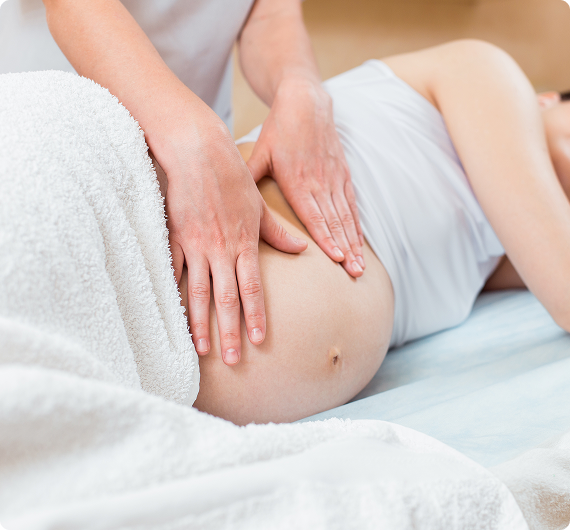
What Is Prenatal Massage?
- Prenatal massage focuses on easing pregnancy-related tension, reducing swelling, and improving sleep and circulation.
- Safe to start in the second trimester (around week 14) once your healthcare provider has given clearance.
- Techniques are gentle and adjusted for your trimester and body position.
What Is Postnatal Massage?
- Postnatal massage (or postpartum massage) supports recovery after childbirth.
- It helps relieve back and shoulder aches, tone muscles, and reduce water retention.
- Most mothers can begin a few days to a few weeks after delivery, depending on their birth and healing process.
Why It Matters
- Studies show that prenatal massage can reduce back pain and stress, improving comfort and emotional well-being.
- Postnatal massage promotes faster recovery and better hormonal balance, helping mothers feel rejuvenated during confinement.
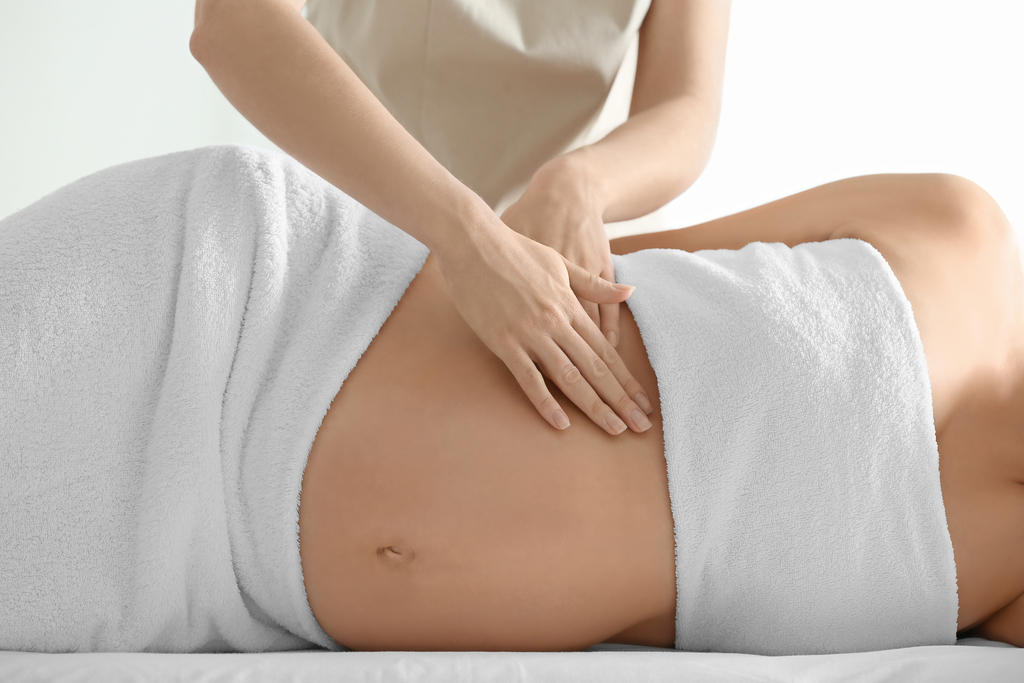
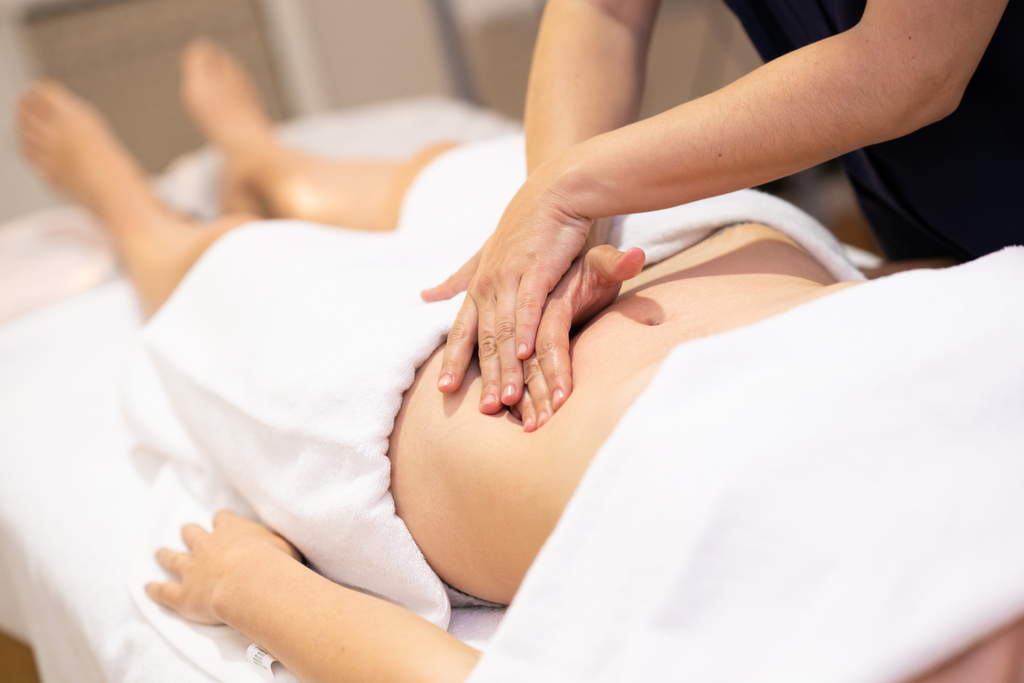
Benefits of Pre-Natal Massage
- Reduces stress hormones
- Improves body tone
- Relieves physical and mental fatigue
- Relieves leg cramp
- Enhances muscle & joint function
- Improves body circulation
- Reduces back and ligament pain
Benefits of Traditional Javanese Post-Natal Massage
- Increase blood circulation and reduce stress on the heart this keeping blood pressure in check
- Ease muscle stiffness, tightness, tension and cramps
- Remove waste products through the lymphatic & circulatory system which combats fatigue
- Relieve headaches, backaches, stiff neck, sciaticam, edema and sore feet
- Stabilize the hormone system
- Increase muscle flexibility
- Relax the muscle and body thus improving sleep
- Reduce tension thus improves breastfeeding and better milk production
- Speed up healing from surgery or operation
- Realigns the pelvis after birth
- Relieves soreness and stiffness after birth
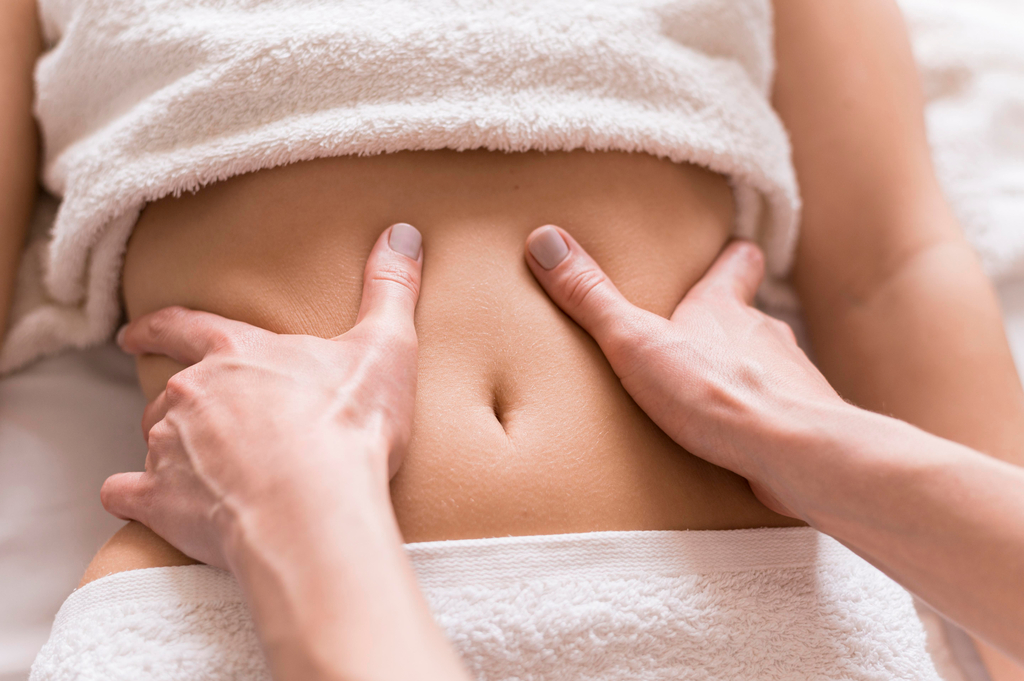
Benefits of Manual Lymphatic Post-Natal Massage
- Stimulates and improves immune system
- Reduces chronic fatigue syndrome
- Reduces cellulite tissue
- Improves metabolism
- Reduces swelling. Local puffines
- Helps eliminate waste and toxins
- Improves blood circulation
- Calms & reduces skin eczema conditions
- Is deeply relaxing and soothing
- Speedy recovery after operation
Massage Packages By
Beauty Mums & Babies
All packages come with one COMPLIMENTRY Baby Massage and $50 Beauty Mums & Babies (BMB) Vouchers.
Contact Beauty Mums & Babies at 8368 2756 (BMB Paragon) or 9233 3994 (BMB Prestige).
Our Pricing
Post-Natal Massage
- $108 Nett (U.P. $189) – First trial 60mins Post-natal Massage (without transport charges)
- $1,199 Nett (U.P. $1,428) – 10 sessions of 75mins Post-natal Massage with Home-Service + Complimentary 20mins Baby Massage at Paragon.
- $1,699 Nett (U.P. $1,968) – 15 sessions of 75mins Post-natal Massage with Home-Service + Complimentary 20mins Baby Massage at Paragon.
Pre-natal Massage
- 60mins First-trial Pre-Natal Massage: $59 (U.P. $168)
- 5 sessions of 60mins Pre-Natal Massage: $499 (U.P. $840)
- 5 sessions of 90mins Pre-Natal Massage: $699 (U.P. $970)
Terms & Conditions
*All prices quoted are subject to change without prior notice.
Real Reviews From Singapore Mothers
Frequently Asked Questions
Is it safe to get a prenatal massage in the first trimester?
Many practitioners prefer to wait until the second trimester (around week 12 to 14) to begin prenatal massage, as the first trimester is a sensitive period. However, if your obstetrician gives clearance and no complications exist, gentle care may be possible. Always inform the therapist about your medical history and any risks.
How many prenatal massages can I have per week?
Typically, one session per week is sufficient for most expectant mothers. In cases of greater discomfort, some may benefit from 2 sessions per week, but your therapist will assess your symptoms, stage of pregnancy, and overall health before recommending frequency.
Can prenatal massage induce labour?
Prenatal massage done by trained professionals in a safe and controlled manner is unlikely to induce labour. Therapists typically avoid strong pressure on known reflex points (e.g. around ankles) until full term. The goal is to relax muscles, ease discomfort, and enhance circulation, not to trigger uterine contractions.
What should I avoid during prenatal massage?
- Deep abdominal pressure, especially early on
- Strong reflexology at known uterine stimulation points (e.g. ankles, sacrum)
- Lying flat on the back for extended periods (especially after the first trimester)
- Using harsh oils or additives that are contraindicated in pregnancy
- Massage over areas with swelling, infections, or recent surgery
Always share your medical history, symptoms, and any discomfort so your therapist can adapt techniques safely.
When should I stop prenatal massage or switch to postpartum care?
Once you reach the later weeks of pregnancy or experience complications (e.g. preeclampsia, bleeding, threatened preterm labor), your therapist may recommend reducing intensity or discontinuing massage. After birth, transitioning to postnatal massage helps with recovery, muscle realignment, and restoring balance. Many mothers later explore lactation massage to support breastfeeding recovery.
Is massage suitable if I already have structured postnatal help at home?
Massage can complement other forms of postnatal support rather than replace them. Mothers who have engaged a confinement nanny agency may still choose massage to support physical recovery, relaxation, and personal well-being during the confinement period.
How does postnatal massage differ from lactation-focused care?
Postnatal massage focuses on overall body recovery, muscle tension, and rest, while breastfeeding-specific concerns are addressed through targeted support such as lactation massage in Singapore, which focuses on milk flow, engorgement, and breast comfort.
Can massage support breastfeeding routines indirectly?
While massage does not replace feeding education, improved relaxation and reduced physical strain may help mothers feel more at ease during breastfeeding. Some parents choose to pair massage support with educational options like breastfeeding classes for a more rounded postnatal care approach.
