

Key Takeaways
- The first 48 hours after birth involve rapid physical changes as the body begins healing, including uterine contractions, hormonal shifts, and the start of milk production.
- Early bonding through skin-to-skin contact helps stabilise a newborn’s vital signs and strengthens the emotional connection between parent and child.
- Feeding routines often begin within the first hour, and it may take time for both mother and baby to adjust to latching and frequent feeding intervals.
- Hospitals conduct important health assessments during this period, while mothers may also experience emotional fluctuations due to hormonal changes and fatigue.
Introduction
The first 48 hours after childbirth bring rapid physical adjustments, emotional changes, and an entirely new rhythm of caring for a baby. For families in Singapore, understanding what happens after childbirth can ease uncertainty and help new mothers feel more prepared. These early moments are filled with healing, bonding, feeding, and essential newborn checks—all of which play a key role in supporting a smooth start to parenthood.
Physical Recovery Begins Immediately

Your body enters an active healing stage immediately after labour. The uterus begins contracting to shrink back to its pre-pregnancy size, lochia (post-birth bleeding) starts, and hormones surge as your milk supply begins to regulate. These changes form a crucial part of early postpartum recovery, and while they may feel intense, they are positive signs that your body is adjusting as expected.
Bonding Moments Shape Early Connection
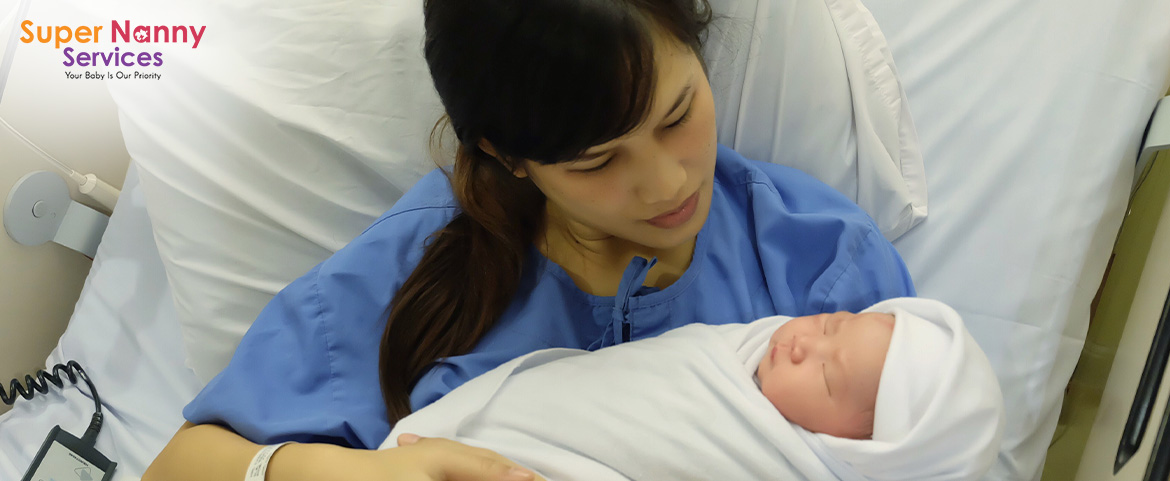
Beyond the physical healing, the first few hours with your baby offer irreplaceable bonding opportunities that go beyond physical recovery. Skin-to-skin contact supports temperature regulation, stabilises heart rate, and naturally soothes both mother and newborn. This quiet, uninterrupted bonding time allows your baby to recognise your scent and voice, giving them a sense of safety and familiarity. Many families choose supportive confinement care services during this period to ensure they have the space and comfort to focus entirely on bonding.
Breastfeeding and Early Feeding Patterns

Feeding usually begins within the first hour after birth, though latching and positioning may take time to adjust to. Recognising that this is a normal part of what happens after childbirth can help mothers feel more confident during these early attempts. Newborns typically feed every two to three hours, especially during the first two days after childbirth, as they learn to regulate hunger cues and sucking reflexes. Proper support at this stage promotes comfort, reduces feeding-related stress, and encourages a smoother breastfeeding journey.
Newborn Checks and Milestones
During the first 48 hours, hospitals in Singapore carry out several important assessments to ensure that babies transition safely into the world. This early stage of newborn care in the hospital includes routine screenings that help detect early issues promptly and provide peace of mind for new parents.
Key Health Checks Conducted in the Hospital
To support healthy adaptation after birth, your baby will undergo several essential evaluations, such as:
- Jaundice screening to monitor bilirubin levels
- Reflex assessments, including Moro, sucking, and grasp reflexes
- Weight checks to track early growth and hydration
- Temperature monitoring to ensure stable regulation
- General responsiveness checks, observing alertness and reactions
Understanding what happens after childbirth helps parents anticipate these steps and feel more prepared during their hospital stay.
Ongoing Guidance After Discharge
Parents who return home with the help of a stay in nanny arrangement in Singapore often appreciate continued support. Having a trained caregiver nearby makes it easier to observe developmental cues, respond to feeding needs, and track early milestones with confidence as your newborn adjusts to life outside the hospital.
Emotional Shifts and Mental Wellbeing
Hormonal fluctuations are a significant part of what happens after childbirth, and many mothers experience mood swings or heightened emotions within the first two days. This temporary phase, commonly known as the “baby blues”, can bring feelings of overwhelm, sadness, or anxiety despite the joy of meeting your newborn. Rest, reassurance, and open communication with loved ones are essential during this transition. Understanding that these emotions are normal helps mothers navigate the early days with greater resilience.
Conclusion
The early hours of motherhood can feel both exhilarating and overwhelming, but understanding what happens after childbirth equips you to approach this period with confidence. From physical recovery and bonding rituals to feeding patterns, newborn screenings, and emotional shifts, every experience plays an important role in helping you and your baby adjust comfortably. Super Nanny Services supports families during this delicate phase, offering expert guidance and compassionate care so mothers can heal, bond, and embrace their new chapter with peace of mind.
Ready for a smoother start to motherhood? Contact Super Nanny Services today to receive personalised confinement support that helps you recover confidently and care for your newborn with ease.
