

Key Takeaways
- The first month is a vital period where a baby’s brain forms essential neural pathways shaped by nurturing touch, eye contact, and responsive care.
- Oxytocin released through physical closeness strengthens emotional connection and helps regulate a baby’s stress, temperature, and sense of security.
- Early bonding lays the foundation for lifelong emotional resilience, trust, and healthy relationships as children grow.
- A mother’s wellbeing and access to practical support directly influence her ability to rest, recover, and stay emotionally present for meaningful early interactions.
Introduction
Bringing home your newborn is a beautiful experience, but it can also feel overwhelming in the first few weeks. These early moments of closeness help to shape your baby’s development as well as your own growing confidence as a new mum. Understanding this first month allows you to approach each day with reassurance, warmth, and calm.
The Role of Early Bonding in Brain Development
Your baby’s brain is developing rapidly from the moment they arrive. In the first month, millions of neural connections are formed every day, responding directly to how you hold, speak to, and comfort your baby. Gentle touch, warm eye contact, and responsive care all help build the pathways that support emotional regulation, memory, and learning.
This stage is also closely linked to early attachment development, where your baby begins to understand what safety and comfort feel like. When these early interactions are consistent throughout the process of bonding with your newborn, it lays the foundation for healthy emotional growth in the months ahead.
Oxytocin: The ‘Love Hormone’ That Strengthens Connection

Each time you cuddle your baby, hold them close, or enjoy skin-to-skin contact, your body releases oxytocin, often called the “love hormone.” This natural response helps you feel calmer and more connected, while also supporting your baby’s sense of security.
Oxytocin plays a key role in bonding with your newborn, especially in the early weeks when babies rely heavily on physical closeness for comfort and stability. Practices such as skin-to-skin bonding help regulate your baby’s temperature, heart rate, and stress levels, making these moments both emotionally and biologically meaningful.
How Bonding Shapes Emotional Security and Future Relationships
A secure bond built during the first month influences your child long after infancy. Babies who experience steady affection and responsive care tend to develop stronger social skills, greater confidence, and healthy emotional resilience.
As your baby learns that their needs will be met with warmth and consistency, they develop trust, a key building block for future relationships and emotional wellbeing. These early experiences help strengthen bonding with your newborn while forming the base of the maternal-infant connection.
The Mother’s Wellbeing and Its Influence on Bonding
Your own wellbeing is essential during this period. Fatigue, recovery from childbirth, and adjusting to round-the-clock caregiving can make bonding feel challenging at times. When mothers have the support they need, they are better able to rest, heal, and connect deeply with their babies.
A reliable stay-in nanny arrangement in Singapore can help lighten the daily load, ensuring you have the emotional and physical space to enjoy meaningful moments with your newborn. When you’re more rested and supported, this vital bonding process becomes more natural and fulfilling.
How Confinement Support Frees Mothers to Focus on Bonding
Support during the confinement month plays a significant role in reducing stress and creating an environment where bonding can thrive. With experienced help managing newborn care and household routines, mothers can focus more on connection and less on exhaustion.
Support for Newborn Care and Feeding
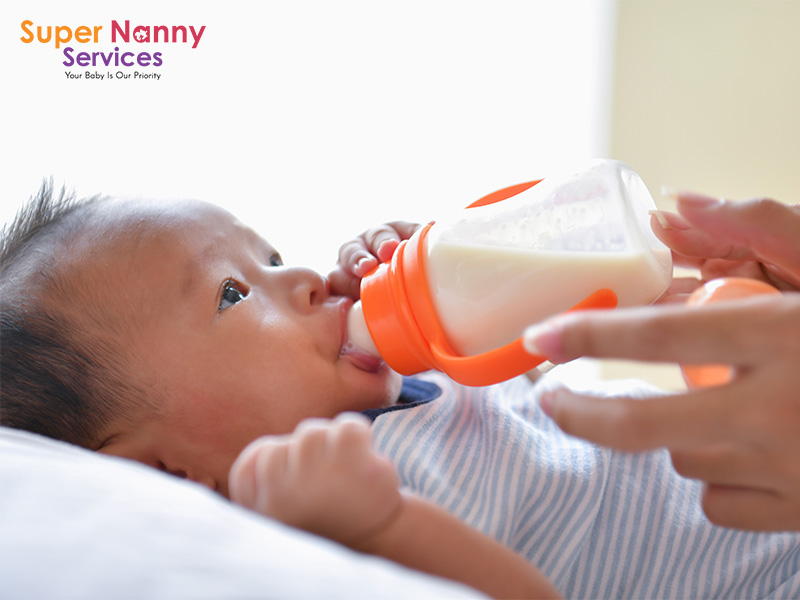
Guidance with feeding, burping, settling, and diapering helps you understand your baby’s cues while easing the pressure of constant caregiving. These moments allow true bonding with your newborn to happen through calm, responsive interactions.
Household and Recovery Support
Nutritious meals, gentle household support, and rest planning create a peaceful environment for both mother and baby. This structured approach complements trusted confinement care services, helping you stay emotionally and physically present.
Overnight Assistance for Rest
Night support ensures mothers can recover from round-the-clock feeds and early postpartum fatigue. Adequate rest helps you reconnect with confidence, often with the guidance of an experienced confinement nanny who understands the needs of new families.
Conclusion
The first month is a precious period where emotional foundations, early development, and secure attachment begin to take shape. When mothers have the space to rest and respond to their baby with calm and presence, these early interactions naturally deepen the mother–baby relationship.
Confinement care like Super Nanny Services supports this process by easing the demands of newborn care and household routines, allowing mothers to focus on connection and recovery. By creating a peaceful environment and offering experienced guidance, their nannies help families nurture meaningful moments that strengthen early bonding.
If you’re preparing for your confinement period and would like gentle support during the first month, consider reaching out to Super Nanny today to explore how a trained nanny can guide you through this important stage.
